
Navigating the Challenges of Shipping from the Middle East to Europe
- Studiorra

- Jan 28
- 2 min read
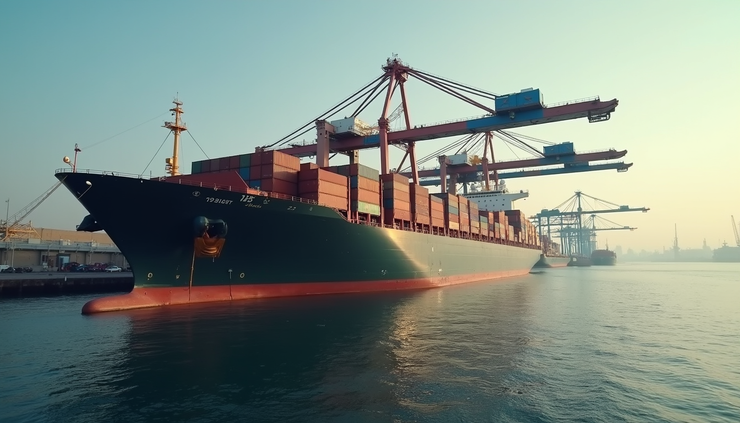
Shipping goods from the Middle East to Europe involves a complex set of challenges that businesses must understand to ensure smooth and timely delivery. The route connects two vital economic regions, but factors like customs regulations, logistics infrastructure, and geopolitical issues can create obstacles. This post explores the main challenges and offers practical advice for companies looking to improve their shipping operations between these regions.
Understanding Customs and Regulatory Differences
One of the biggest hurdles in shipping from the Middle East to Europe is navigating the different customs rules and regulations. Each European country has its own import requirements, tariffs, and documentation standards. Meanwhile, Middle Eastern exporters must comply with export controls and local regulations that vary by country.
To avoid delays, companies should:
Prepare accurate and complete documentation, including commercial invoices, certificates of origin, and packing lists.
Stay updated on changes in customs tariffs and trade agreements, such as those related to the EU’s trade policies.
Work with customs brokers or freight forwarders who specialize in Middle East-Europe trade to ensure compliance.
Failing to meet these requirements can result in shipments being held at borders, incurring fines, or even confiscation.
Managing Logistics and Transportation Routes
The physical movement of goods between the Middle East and Europe depends on a mix of sea, air, and land transport. Sea freight is the most common due to cost efficiency, but it can be slow and subject to port congestion. Air freight offers speed but at a much higher cost, making it suitable mainly for urgent or high-value goods.
Key considerations include:
Selecting the right port of entry in Europe, such as Rotterdam, Hamburg, or Antwerp, which have strong infrastructure and connectivity.
Planning for last-mile delivery challenges, especially in landlocked European countries.
Monitoring geopolitical tensions or conflicts that may disrupt shipping lanes, such as those in the Red Sea or the Eastern Mediterranean.
Using multimodal transport solutions can help balance cost and speed, but it requires careful coordination.
Dealing with Geopolitical and Economic Risks
Political instability in parts of the Middle East can affect shipping schedules and insurance costs. Sanctions on certain countries or companies may restrict trade options. Additionally, fluctuating fuel prices and currency exchange rates impact overall shipping expenses.
Businesses should:
Conduct risk assessments before choosing shipping routes or partners.
Consider insurance options that cover delays, damage, or loss due to political events.
Build flexibility into contracts to accommodate unexpected changes.
Understanding these risks helps companies avoid costly disruptions and maintain reliable supply chains.
Leveraging Technology for Better Shipping Management
Technology plays a growing role in overcoming shipping challenges. Digital platforms enable real-time tracking, automated customs clearance, and better communication between shippers, carriers, and customs officials.
Practical steps include:
Using shipment tracking tools to monitor cargo status and anticipate delays.
Implementing electronic data interchange (EDI) systems to speed up documentation.
Employing analytics to optimize routes and reduce costs.
Investing in technology improves transparency and efficiency, making it easier to manage complex shipments.


Comments